 Home
Home Peatland restoration
 About us
 Accommodation
 Suzuki
 Contact us
Peatland restoration

Look after the land and look to the future
Armadale has been part of my family’s life since my grandparents took on the farm in the early 1960s. I’ve worked here for most of my life, but I’m still learning about the ground beneath our feet.
Restoring our peatland has become an important part of that learning, and of our plans for the farm’s future. Working alongside Ian, local contractors and our project partners, I want to help create a healthier landscape where wildlife can thrive and farming can continue for generations to come.
Why our peatland matters
Here in the far north of Scotland, we are part of the remarkable peatland landscape of the Flow Country. Healthy peatland holds water, stores carbon and provides a home for wildlife. But parts of our hill ground had been drained and damaged over the years, with up to 210 kilometres of drains across the farm.
I hadn’t fully understood the condition of our peatland until we had it surveyed. Seeing the results was a wake-up call. Listening to farmers and land managers who had already spent years restoring their own ground helped me understand what might be possible at Armadale.

Bringing water back to the hill
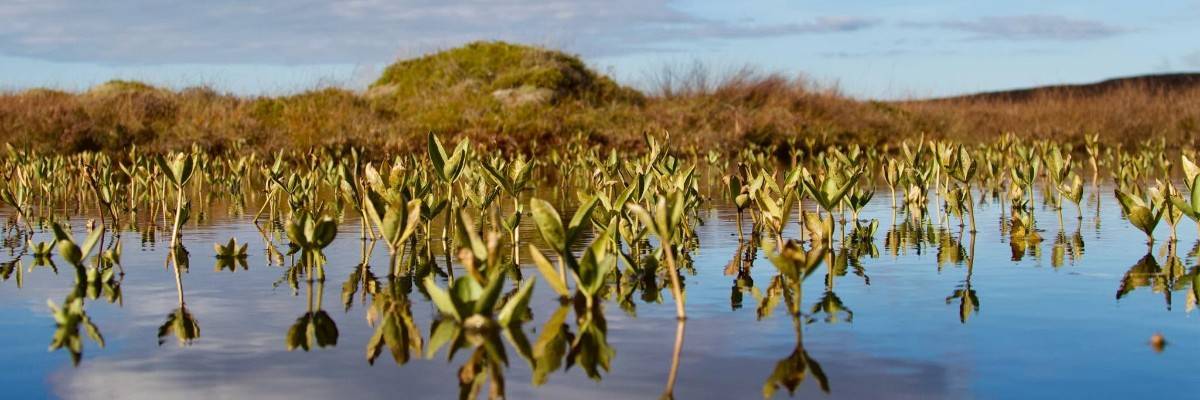
The practical work is about slowing the flow of water off the hill and helping the peat become wet again.
Our contractors have blocked drains with peat dams, reshaped steep gullies and eroded peat banks, and created low barriers to hold water back. Some drains have been closed using a technique called “zippering”, which leaves distinctive patterns across the hillside. These marks soften over time as the ground recovers.
The first phase of our project with Peatland Action and the Flow Country Green Finance Initiative began in August 2024. In just twelve weeks, restoration work covered more than 600 hectares. A second phase began in August 2025, with a further 278 hectares planned. Separate restoration supported by SSE Renewables has also contributed to the work at Armadale, and they helped to restore a further 160 hectares of blocked drainage in February and March of 2026, with the work once again undertaken by John Mackay Ltd.
Seeing the difference
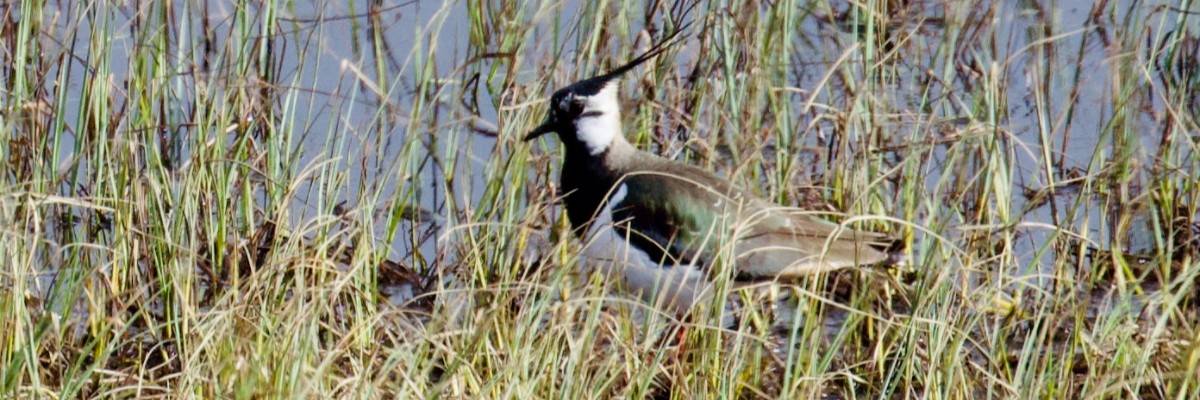
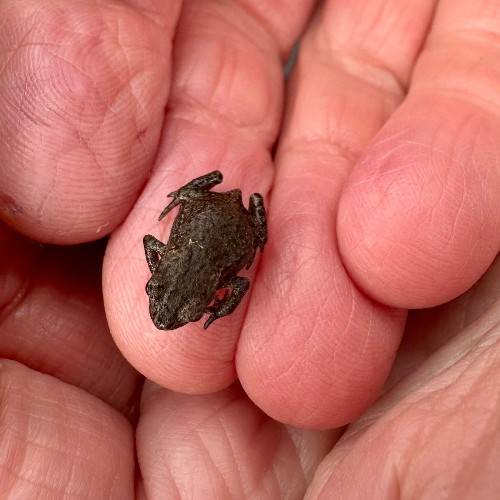
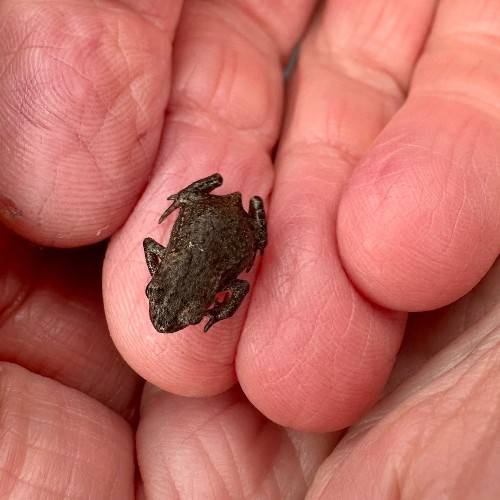
Some of the most encouraging changes have been the smallest: new pools forming, frogspawn appearing and insects finding their way back. Seeing golden plovers nesting gives me real encouragement that the changes are helping.
There has been a very practical benefit for our sheep, too. Deep drains could trap animals, sometimes with heartbreaking consequences. Reshaping and blocking those drains has made the ground safer, and we saw fewer sheep lost in them even in the first year.
These are changes I can see as I go about my work. They make the effort feel worthwhile.
Giving the land time to rest
Restoration needs care beyond the groundworks. We are reducing grazing pressure and managing deer numbers to give recovering habitats a better chance.
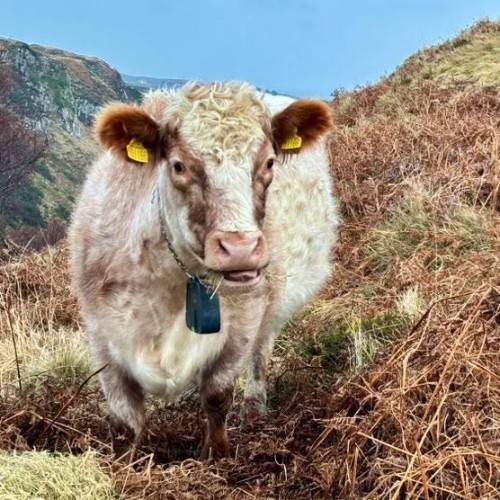
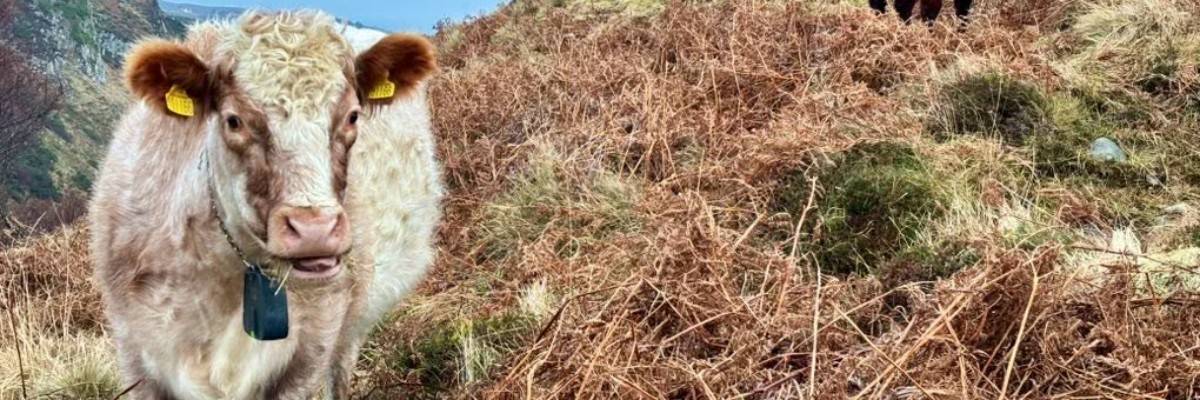
Modern technology is helping us manage that balance. Each of our cattle wears a Nofence GPS collar, allowing us to monitor individual animals’ locations and see how they use the grazing areas. Through an app, we can set and adjust virtual boundaries without putting up new fences. The collars give an audible warning as cattle reach a boundary, encouraging them to turn back; if they continue, this is followed by a brief electrical pulse. Click here to find out more about NoFence technology.
This gives us greater control over where the cattle graze and which areas are left to rest. Carefully targeted grazing helps keep vigorous vegetation from overwhelming less competitive plants, while keeping cattle away from sensitive areas gives recovering peatland time to heal. Combining practical stockmanship with location-aware technology helps her manage a varied habitat for ground-nesting birds, rare plants and insects.
The restoration work itself also needs careful planning. Golden eagles and black-throated divers breed on and around the farm, so timing and protective measures help us avoid disturbing them. More than forty archaeological features were identified within or near the restoration area, and safeguards were put in place to protect them.

A shared effort with local benefits
This is a substantial undertaking, made possible through public funding, private finance and the knowledge and skills of the people involved.
Local contractor John Mackay Ltd carried out the groundworks for the Flow Country project. Having local people doing this work matters to me: it supports businesses, families and the communities around us.
Peatland restoration is part of a wider change in how we farm, alongside adapting our grazing and making more space for nature. There is still plenty to learn, and recovery takes time. But I’m excited by what we are seeing already.
For me, looking after this land is part of being a farmer. Ultimately, it feels like the right thing to do.
For more information about the benefits of peatland restoration please visit Peatland Action.